


Memphis sits at the convergence of the Mississippi River and Wolf River, making flooding a persistent threat across neighborhoods from Midtown to Whitehaven. The city averages 54 inches of rainfall annually, with spring thunderstorms dumping several inches in hours. This saturates the clay soil common throughout Shelby County, which expands when wet and contracts when dry, cracking foundations and basement walls.
High humidity keeps structures damp year-round, creating perfect conditions for mold growth within 24 to 48 hours after water intrusion. Older homes in Cooper-Young and Victorian Village feature crawl spaces that trap moisture, while newer construction in Cordova and Germantown often lacks proper drainage grading. Summer heat causes AC condensation issues, and winter freezes burst pipes in attics and exterior walls.
The Wolf River frequently overflows after heavy rain, flooding low-lying areas near Overton Park and along Poplar Avenue. Sewer backups plague older neighborhoods with combined storm and sanitary systems. Memphis homeowners need fast water extraction and thorough structural drying to prevent wood rot, drywall deterioration, and toxic mold that thrives in Tennessee's warm, wet climate.
Victory Water Damage Restoration Memphis operates from central locations that put our crews within 15 minutes of most Memphis neighborhoods. When you call our emergency line, you reach a local dispatcher who knows the difference between flooding risks in Harbor Town versus challenges in Hickory Hill. We don't outsource calls to national call centers that send the next available contractor from two counties away.
Our technicians carry commercial-grade extraction equipment, industrial dehumidifiers, and air movers on every truck. We don't need to return to a warehouse for gear while water seeps deeper into your subfloor. Each crew member holds IICRC certification in Water Damage Restoration and Applied Structural Drying, meaning they understand building science, moisture migration patterns, and drying protocols that prevent secondary damage.
We've restored hundreds of Memphis homes after Wolf River floods, pipe bursts, and storm damage. That experience taught us how water behaves in pier and beam foundations common in East Memphis, how humidity affects drywall drying times, and which antimicrobial treatments work best in Tennessee's climate. We document every moisture reading and photograph all affected areas for your insurance claim, and we communicate directly with adjusters to expedite approval.
Our reputation in Memphis depends on doing the job right the first time. We don't cut corners on drying time or skip antimicrobial treatment to finish faster. We use thermal imaging to verify complete drying before sealing walls, and we guarantee our work against mold growth. When your neighbor faces water damage, they call us because they've seen our trucks in their neighborhood and heard about our work.

Our crews dispatch from central Memphis locations within one hour of your call, arriving with truck-mounted extraction equipment and industrial drying gear. We don't schedule appointments days out while water damage spreads. Fast response stops damage progression and saves thousands in repair costs by preventing wood rot and mold growth.

Every Victory technician holds current IICRC Water Damage Restoration and Applied Structural Drying certification. They understand psychrometry, moisture mapping, and structural drying protocols that prevent hidden moisture problems. This training ensures proper equipment placement, accurate moisture monitoring, and complete drying that passes insurance inspection and prevents future mold.
We document all damage with photographs, moisture readings, and detailed scope reports that satisfy insurance requirements. Our team communicates directly with adjusters, provides supporting documentation, and follows up until your claim is approved. Most Memphis homeowners get full coverage when documentation is thorough and professional from day one.
We understand how Memphis humidity affects drying times, how clay soil impacts foundation drainage, and which antimicrobial treatments work in Tennessee's warm climate. This local knowledge prevents the mold problems and structural issues that occur when out-of-state contractors apply generic drying protocols to Memphis homes with unique moisture challenges.
Victory Water Damage Restoration Memphis handles every phase of water damage remediation, from emergency extraction through final restoration. Our services address flooding from all sources, including storm water, plumbing failures, appliance leaks, and sewer backups. We use commercial extraction equipment, thermal imaging moisture detection, and controlled drying environments to restore structures to pre-loss condition.
Each project follows IICRC S500 Water Damage Restoration standards, with documented moisture readings at start and completion. Our crews remove damaged materials, treat affected areas with EPA-registered antimicrobials, and monitor drying progress with daily readings. We coordinate with insurance adjusters, provide detailed documentation, and handle all communication to simplify the claims process for Memphis homeowners.
Our service categories reflect the different types of water damage restoration Memphis properties require. Emergency water removal stops active flooding and prevents further damage. Structural drying addresses hidden moisture in walls, subfloors, and framing. Complete restoration rebuilds damaged areas, replacing drywall, flooring, and fixtures destroyed by water intrusion. Each category requires specific equipment, techniques, and expertise to protect your home and restore it properly.
Truck-mounted extractors remove standing water from basements, crawl spaces, and flooded rooms within minutes of arrival. Our crews pump out several thousand gallons per hour, preventing water from soaking deeper into subfloors and walls. We remove wet carpet, pad, and damaged materials that trap moisture, then begin air circulation and dehumidification. This immediate response stops damage progression and reduces overall restoration costs by preventing wood rot, drywall deterioration, and mold growth that starts within 24 hours in Memphis humidity.
Industrial dehumidifiers and air movers create controlled drying environments that pull moisture from wall cavities, subfloors, and framing lumber. We use thermal imaging to map moisture in areas you cannot see, then place equipment strategically to dry these hidden spaces. Daily moisture readings track progress until materials return to normal levels. This prevents buckled hardwood, warped framing, and mold growth inside walls. Proper structural drying takes three to five days depending on materials affected and requires professional monitoring to verify complete moisture removal.
Once structures are completely dry, our crews rebuild damaged areas with new drywall, flooring, trim, and fixtures. We match existing materials and finishes so repairs blend seamlessly with undamaged areas. This includes subfloor replacement, insulation installation, cabinet reinstallation, and finish painting. Our restoration work meets Memphis building codes and passes insurance inspection. We handle all phases in-house rather than subcontracting, maintaining quality control and keeping your project on schedule from water extraction through final walkthrough.
Memphis homes face water intrusion from multiple sources throughout the year. Spring storms dump inches of rain in hours, overwhelming gutters and grading systems. Summer humidity condenses in attics and crawl spaces. Winter freezes burst pipes in exterior walls and unheated spaces. The Wolf River floods low-lying neighborhoods after heavy rainfall, while aging sewer systems back up during storms.
Clay soil throughout Shelby County expands when saturated, cracking foundations and creating entry points for groundwater. Older homes in Midtown and Cooper-Young have outdated plumbing that fails without warning. Newer homes in Cordova and Germantown often lack proper drainage grading, directing rainwater toward foundations instead of away. High humidity year-round means any water intrusion can turn into a mold problem within 48 hours if not dried properly.
Homeowners often discover damage after it has spread through walls or under flooring. A small leak behind a washing machine soaks the subfloor for weeks. A roof leak drips into attic insulation, spreading moisture to ceiling drywall below. AC condensation pans overflow, flooding closets and hallways. These common scenarios require immediate professional water removal and structural drying to prevent thousands in additional damage.
Memphis temperatures drop below freezing 40 nights per year, bursting pipes in attics, exterior walls, and crawl spaces. A single burst pipe releases hundreds of gallons before homeowners find the shutoff valve. Water floods through ceilings, soaks insulation, and damages drywall and flooring on multiple levels. Emergency shutoff and immediate extraction prevent catastrophic damage.
Wolf River overflows after heavy spring rain, flooding homes near Overton Park and along Walnut Grove. Storm water overwhelms drainage systems, backing up into basements and crawl spaces. This contaminated water requires specialized extraction and antimicrobial treatment. Quick response removes water before it soaks into framing and creates permanent moisture problems in foundations.
Water heaters, washing machines, and dishwashers fail without warning, flooding laundry rooms and kitchens. Refrigerator supply lines burst, soaking hardwood floors. These leaks often go unnoticed for hours, allowing water to spread under cabinets and into adjacent rooms. The longer water sits, the more flooring and subfloor material requires replacement instead of simple drying.
Memphis humidity stays above 70 percent most of the year, creating perfect conditions for mold growth after water damage. Spores colonize wet drywall, insulation, and wood framing within 24 to 48 hours. Incomplete drying leaves hidden moisture in wall cavities where mold spreads undetected. Professional structural drying and antimicrobial treatment prevent mold problems that require expensive remediation later.
When you call Victory Water Damage Restoration Memphis, you reach a local team that understands the stress of water damage. We answer emergency calls 24 hours a day, dispatch crews immediately, and arrive prepared to start work. Our technicians assess damage, explain the restoration process, and answer your questions before beginning extraction.
You will receive clear communication throughout the project. We document initial moisture readings, photograph all damage, and explain what needs to happen at each phase. Daily updates keep you informed about drying progress and timeline. We coordinate directly with your insurance company, providing documentation they need and following up on approval status.
Our goal is to restore your home to pre-loss condition while minimizing disruption to your life. We work efficiently, respect your property, and clean up thoroughly each day. You can expect professionalism, expertise, and a finished project that passes insurance inspection and protects your home from future moisture problems. We stand behind our work because our reputation in Memphis depends on doing the job right.
Our crews arrive within 60 minutes with extraction equipment ready to work. The team leader walks through your home, uses moisture meters to assess damage extent, and explains exactly what restoration requires. You receive a verbal scope of work before equipment starts, so you understand what happens next and approximately how long drying will take. We answer all questions and address concerns before beginning water removal.
You receive daily updates on drying progress with actual moisture readings from affected materials. Our technicians explain what the numbers mean and when materials will be dry enough for reconstruction. We notify you immediately if we discover additional damage during the drying process. You have direct phone access to your project manager, not a call center. This consistent communication eliminates surprises and keeps you informed throughout restoration.
We do not close a project until moisture readings confirm complete drying and all materials are replaced to match your home. Final walkthrough includes showing you verification readings and explaining what was done to prevent future problems. You receive documentation of all work for your records and insurance claim. Our work comes with a guarantee against mold growth, giving you confidence that restoration was done properly.
We follow a proven three-phase process for every water damage project. This systematic approach ensures thorough moisture removal and proper restoration.
Crews arrive within one hour and immediately begin removing standing water with truck-mounted extractors. We pull up wet carpet and padding, extract water from flooring, and remove saturated materials that cannot be dried. Thermal imaging identifies hidden moisture in walls and subfloors. Air movers and dehumidifiers start within the first hour to begin controlled drying. This rapid response stops water from spreading and prevents additional damage to unaffected areas.
Industrial dehumidifiers run continuously, pulling moisture from building materials and air. Air movers circulate air through wall cavities and under flooring to accelerate drying. Technicians take moisture readings twice daily, documenting progress in walls, subfloors, and framing. We adjust equipment placement based on readings to focus drying where moisture remains. Antimicrobial treatment prevents mold growth during the drying period. This phase continues until all materials return to normal moisture levels.
Once complete drying is verified, our crews rebuild damaged areas. We install new drywall, subfloor, insulation, trim, and flooring to match existing materials. Paint and finish work blend repairs seamlessly with undamaged areas. Final inspection confirms all work meets building codes and insurance requirements. You receive complete documentation of moisture readings, work performed, and materials replaced. The project closes when you are satisfied and all verification is complete.
Professional water damage restoration follows IICRC S500 standards, which define proper procedures for water removal, structural drying, and restoration. These protocols exist because improper drying leads to mold growth, wood rot, and structural problems that cost far more than the original water damage. Memphis homes require particular attention to drying verification because high humidity slows moisture evaporation and creates conditions where mold colonizes quickly.
Water damage falls into three categories based on contamination level. Category 1 involves clean water from supply lines or rain. Category 2 includes water with chemical or biological contamination like washing machine overflow. Category 3 is grossly contaminated water from sewage backups or river flooding. Each category requires different safety protocols, antimicrobial treatments, and material disposal procedures.
Moisture mapping uses non-invasive and penetrating moisture meters to measure water content in different building materials. Wood framing should read below 16 percent moisture content. Drywall should be below 1 percent. Concrete varies by depth but surface readings should match dry adjacent areas. Thermal imaging reveals temperature differences that indicate moisture in hidden cavities. These measurements guide equipment placement and drying duration.
Psychrometry governs effective drying by measuring temperature, humidity, and dew point. Dehumidifiers work by cooling air below dew point, condensing moisture, then reheating air before returning it to the space. This lowers relative humidity, creating vapor pressure that pulls moisture from wet materials into the air. Air movers accelerate evaporation at material surfaces. Together, these create optimal drying conditions regardless of outdoor humidity.
Memphis building codes require permits for structural repairs, electrical work, and plumbing replacement after water damage. Inspection verifies that framing repairs, insulation replacement, and moisture barrier installation meet code requirements. Insurance companies require proof of proper drying before approving reconstruction costs. Documentation must include initial and final moisture readings, equipment logs showing continuous operation, and photographs of affected areas before and after restoration.
The IICRC S500 standard defines acceptable moisture levels for different building materials and prescribes equipment requirements for proper structural drying. Compliance ensures complete moisture removal that prevents mold growth and passes insurance inspection. Restoration companies must document adherence to S500 protocols with moisture readings, equipment logs, and psychrometric calculations that prove effective drying occurred.
Water damage restoration costs depend on water volume, contamination category, materials affected, and drying duration. Clean water affecting only flooring costs less than sewage backup requiring wall removal and antimicrobial treatment. Hardwood floor drying costs less than replacement. Crawl space flooding requires different equipment than finished basement flooding. Most insurance policies cover sudden water damage but exclude gradual leaks and flood water without separate flood insurance.
Structural drying typically requires three to five days in Memphis humidity, though duration varies based on materials affected and moisture extent. Hardwood flooring may take seven days to dry properly. Concrete foundation walls can take two weeks. Rushing drying causes material damage like hardwood cupping or drywall friability. Professional monitoring ensures materials dry completely without damage from over-drying or premature reconstruction.
Memphis building codes require permits for structural framing repairs, electrical work, and plumbing replacement after water damage. Permit applications must include scope of work and material specifications. Inspections verify code compliance before closing walls. Insurance companies often require proof of permitted work and passed inspections before releasing final payment. Working with licensed contractors ensures permit compliance and protects your insurance claim.
This video explains the professional water damage restoration process used by Victory Water Damage Restoration Memphis to repair homes after flooding, pipe bursts, and storm damage. Learn about emergency water extraction techniques, structural drying equipment, moisture detection methods, and reconstruction procedures specific to Memphis homes. The video covers IICRC water damage restoration standards, typical project timelines, insurance coordination, and how Memphis climate and construction affect proper drying and mold prevention.
Victory Water Damage Restoration Memphis serves homeowners throughout Shelby County, from established neighborhoods near downtown to growing suburbs in Cordova and Germantown. Our central location puts crews within rapid response range of Cooper-Young, Midtown, East Memphis, Germantown, Collierville, Bartlett, and Cordova. We know these communities because we work in them daily, responding to burst pipes in Victorian Village historic homes, storm flooding near Overton Park, and appliance leaks in Hickory Hill subdivisions.
Each Memphis area faces distinct water damage challenges based on age, elevation, and construction type. Homes in Cooper-Young and Central Gardens feature crawl space foundations that trap moisture and require specialized drying equipment. The dense clay soil common throughout Midtown and East Memphis expands when saturated, cracking basement walls and allowing groundwater seepage. Newer construction in Cordova and Germantown uses slab foundations that hide water damage under flooring until extensive spreading occurs.
Low-lying areas near the Wolf River flood after heavy spring storms, affecting neighborhoods from Harbor Town through Raleigh. Properties along Poplar Avenue and near Shelby Farms face drainage challenges during severe weather. Older sewer systems in Midtown and downtown Memphis back up during storms, sending contaminated water into basements and crawl spaces that require category 3 water cleanup protocols.
Germantown and Collierville homes often feature finished basements that flood from AC condensation, water heater failures, or foundation cracks. These below-grade spaces require powerful dehumidification and extended drying time in Memphis humidity. East Memphis and Cordova properties with large square footage need multiple equipment setups to dry efficiently. Bartlett homes frequently experience pipe bursts from winter freezes, requiring rapid response to prevent multi-level water damage.
We understand that Highland Strip apartments face different restoration challenges than single-family homes in Windyke or Eads. Our crews adapt equipment and techniques based on property type, construction era, and specific damage circumstances. This local knowledge helps us respond efficiently and restore properties properly regardless of location within the Memphis metro area.
Restoration costs in Memphis range from a few hundred dollars for minor leaks to several thousand for major flooding. The final price depends on water category, affected square footage, structural damage, and how long water sat before extraction. Clean water from a burst pipe costs less than sewage backup. Memphis homes with crawl spaces or pier-and-beam foundations face higher costs when water reaches structural supports. Most companies charge for water extraction, drying equipment, antimicrobial treatment, and reconstruction. Get a detailed estimate that breaks down each phase before work begins.
Yes, professional restoration prevents far more expensive problems down the road. Water seeps into wall cavities, subfloors, and insulation where you cannot see it. Within 48 hours, mold colonies establish in Memphis due to high humidity levels. Untreated water damage compromises structural integrity, destroys belongings, and creates health hazards. DIY efforts miss hidden moisture that professionals detect with thermal imaging and moisture meters. The cost of restoration is a fraction of rebuilding after mold spreads or floors collapse. Insurance companies often require professional documentation to process claims.
Complete restoration includes water extraction, structural drying, moisture monitoring, antimicrobial treatment, content cleaning, and reconstruction. Technicians remove standing water with pumps, place industrial dehumidifiers and air movers, and track moisture levels daily until materials reach acceptable dryness. They remove unsalvageable materials like soaked drywall or padding. Content cleaning salvages furniture and belongings. The final reconstruction phase replaces flooring, drywall, and trim. Memphis providers handle insurance documentation and coordinate with adjusters. The process takes three to seven days for drying, longer if extensive reconstruction is needed.
Restoration costs in Memphis range from a few hundred dollars for minor leaks to several thousand for major flooding. The final price depends on water category, affected square footage, structural damage, and how long water sat before extraction. Clean water from a burst pipe costs less than sewage backup. Memphis homes with crawl spaces or pier-and-beam foundations face higher costs when water reaches structural supports. Most companies charge for water extraction, drying equipment, antimicrobial treatment, and reconstruction. Get a detailed estimate that breaks down each phase before work begins.
Yes, professional restoration prevents far more expensive problems down the road. Water seeps into wall cavities, subfloors, and insulation where you cannot see it. Within 48 hours, mold colonies establish in Memphis due to high humidity levels. Untreated water damage compromises structural integrity, destroys belongings, and creates health hazards. DIY efforts miss hidden moisture that professionals detect with thermal imaging and moisture meters. The cost of restoration is a fraction of rebuilding after mold spreads or floors collapse. Insurance companies often require professional documentation to process claims.
Complete restoration includes water extraction, structural drying, moisture monitoring, antimicrobial treatment, content cleaning, and reconstruction. Technicians remove standing water with pumps, place industrial dehumidifiers and air movers, and track moisture levels daily until materials reach acceptable dryness. They remove unsalvageable materials like soaked drywall or padding. Content cleaning salvages furniture and belongings. The final reconstruction phase replaces flooring, drywall, and trim. Memphis providers handle insurance documentation and coordinate with adjusters. The process takes three to seven days for drying, longer if extensive reconstruction is needed.
Stop the water source if safe to do so. Turn off the main water valve for pipe bursts or appliance malfunctions. Move valuables and furniture to dry areas. Do not enter standing water if electrical outlets are submerged. Document everything with photos for insurance. Call a restoration company within the first hour. Memphis humidity accelerates mold growth, so speed matters. Remove wet rugs and open cabinets to improve airflow. Do not use a household vacuum on standing water. Avoid using fans before professional assessment, as they can spread contaminants.
Most homeowner policies cover sudden and accidental water damage like burst pipes, appliance failures, or storm-related roof leaks. Insurance typically excludes gradual damage from neglected maintenance or flooding from external sources. Memphis homeowners need separate flood insurance for river flooding or heavy rain intrusion. Your policy covers restoration costs minus your deductible. Insurers pay for water extraction, drying, demolition of damaged materials, and reconstruction to pre-loss condition. File your claim immediately and keep all documentation. Restoration companies work directly with adjusters to streamline the process and maximize your coverage.
Servpro typically completes water extraction and equipment placement within hours of contact. The drying process takes three to five days depending on damage severity and affected materials. Total project completion, including reconstruction, ranges from one to three weeks. Response times and crew availability vary by franchise location. Memphis has multiple Servpro franchises with different service territories and schedules. While Servpro is a national brand, other local restoration companies often provide comparable or faster service with more personalized attention. Compare response guarantees and availability when choosing your provider.
The average water damage claim in the United States ranges from $7,000 to $12,000. Memphis claims vary widely based on the source and extent of damage. A single-room toilet overflow might generate a $3,000 claim, while whole-house flooding from a water heater failure can exceed $20,000. Sewage backups cost more due to contamination cleanup requirements. Claims include water extraction, drying, antimicrobial treatment, damaged material removal, and reconstruction. Your specific claim amount depends on your coverage limits, deductible, and whether damage extends to flooring, cabinets, or structural components.
Mold begins growing within 24 to 48 hours in Memphis due to year-round humidity. Spores are always present in the air but need moisture to colonize. Porous materials like drywall, insulation, and wood provide ideal growth conditions once wet. Visible mold appears within 72 hours if water is not extracted and materials dried properly. Hidden mold grows inside wall cavities and under flooring where you cannot see it. Temperature and humidity levels accelerate the timeline. Professional drying within the first 24 hours prevents mold establishment and protects your home.
Contact your insurance company first to confirm whether coverage applies. If paying out of pocket, get multiple estimates from licensed contractors and ask about payment plans. Some Memphis restoration companies offer financing options or work with you on phased remediation. Address the most critical areas first to prevent spread. Local nonprofit organizations and community development programs sometimes assist low-income homeowners with emergency repairs. Document everything with photos. Delaying mold remediation worsens the problem and increases costs. Small areas under 10 square feet might be manageable with proper safety equipment, but widespread contamination requires professional help.
Insurance pays for covered water damage losses. Policies cover sudden and accidental events like burst pipes, appliance malfunctions, and storm damage to roofs. They exclude gradual damage from poor maintenance and external flooding without separate flood insurance. Memphis homeowners must prove the damage occurred suddenly and was not preventable through reasonable maintenance. Document the source, take photos, and file your claim immediately. Insurers pay actual cash value or replacement cost depending on your policy. Delays in reporting or starting mitigation can reduce your payout. Professional restoration companies help navigate the claims process.
Stop the water source if safe to do so. Turn off the main water valve for pipe bursts or appliance malfunctions. Move valuables and furniture to dry areas. Do not enter standing water if electrical outlets are submerged. Document everything with photos for insurance. Call a restoration company within the first hour. Memphis humidity accelerates mold growth, so speed matters. Remove wet rugs and open cabinets to improve airflow. Do not use a household vacuum on standing water. Avoid using fans before professional assessment, as they can spread contaminants.
Most homeowner policies cover sudden and accidental water damage like burst pipes, appliance failures, or storm-related roof leaks. Insurance typically excludes gradual damage from neglected maintenance or flooding from external sources. Memphis homeowners need separate flood insurance for river flooding or heavy rain intrusion. Your policy covers restoration costs minus your deductible. Insurers pay for water extraction, drying, demolition of damaged materials, and reconstruction to pre-loss condition. File your claim immediately and keep all documentation. Restoration companies work directly with adjusters to streamline the process and maximize your coverage.
Servpro typically completes water extraction and equipment placement within hours of contact. The drying process takes three to five days depending on damage severity and affected materials. Total project completion, including reconstruction, ranges from one to three weeks. Response times and crew availability vary by franchise location. Memphis has multiple Servpro franchises with different service territories and schedules. While Servpro is a national brand, other local restoration companies often provide comparable or faster service with more personalized attention. Compare response guarantees and availability when choosing your provider.
The average water damage claim in the United States ranges from $7,000 to $12,000. Memphis claims vary widely based on the source and extent of damage. A single-room toilet overflow might generate a $3,000 claim, while whole-house flooding from a water heater failure can exceed $20,000. Sewage backups cost more due to contamination cleanup requirements. Claims include water extraction, drying, antimicrobial treatment, damaged material removal, and reconstruction. Your specific claim amount depends on your coverage limits, deductible, and whether damage extends to flooring, cabinets, or structural components.
Mold begins growing within 24 to 48 hours in Memphis due to year-round humidity. Spores are always present in the air but need moisture to colonize. Porous materials like drywall, insulation, and wood provide ideal growth conditions once wet. Visible mold appears within 72 hours if water is not extracted and materials dried properly. Hidden mold grows inside wall cavities and under flooring where you cannot see it. Temperature and humidity levels accelerate the timeline. Professional drying within the first 24 hours prevents mold establishment and protects your home.
Contact your insurance company first to confirm whether coverage applies. If paying out of pocket, get multiple estimates from licensed contractors and ask about payment plans. Some Memphis restoration companies offer financing options or work with you on phased remediation. Address the most critical areas first to prevent spread. Local nonprofit organizations and community development programs sometimes assist low-income homeowners with emergency repairs. Document everything with photos. Delaying mold remediation worsens the problem and increases costs. Small areas under 10 square feet might be manageable with proper safety equipment, but widespread contamination requires professional help.
Insurance pays for covered water damage losses. Policies cover sudden and accidental events like burst pipes, appliance malfunctions, and storm damage to roofs. They exclude gradual damage from poor maintenance and external flooding without separate flood insurance. Memphis homeowners must prove the damage occurred suddenly and was not preventable through reasonable maintenance. Document the source, take photos, and file your claim immediately. Insurers pay actual cash value or replacement cost depending on your policy. Delays in reporting or starting mitigation can reduce your payout. Professional restoration companies help navigate the claims process.
We are proud to serve the Memphis community and its surrounding areas. Our dedicated team is strategically located to ensure a swift response to your water damage emergency, no matter where you are. We invite you to view our service map to see our coverage area and find out how we can assist you. Rest assured, when you call Victory Water Damage Restoration Memphis, a professional is never far away. We are committed to being your local and reliable restoration partner.
Address:
Memphis, TN, 38103
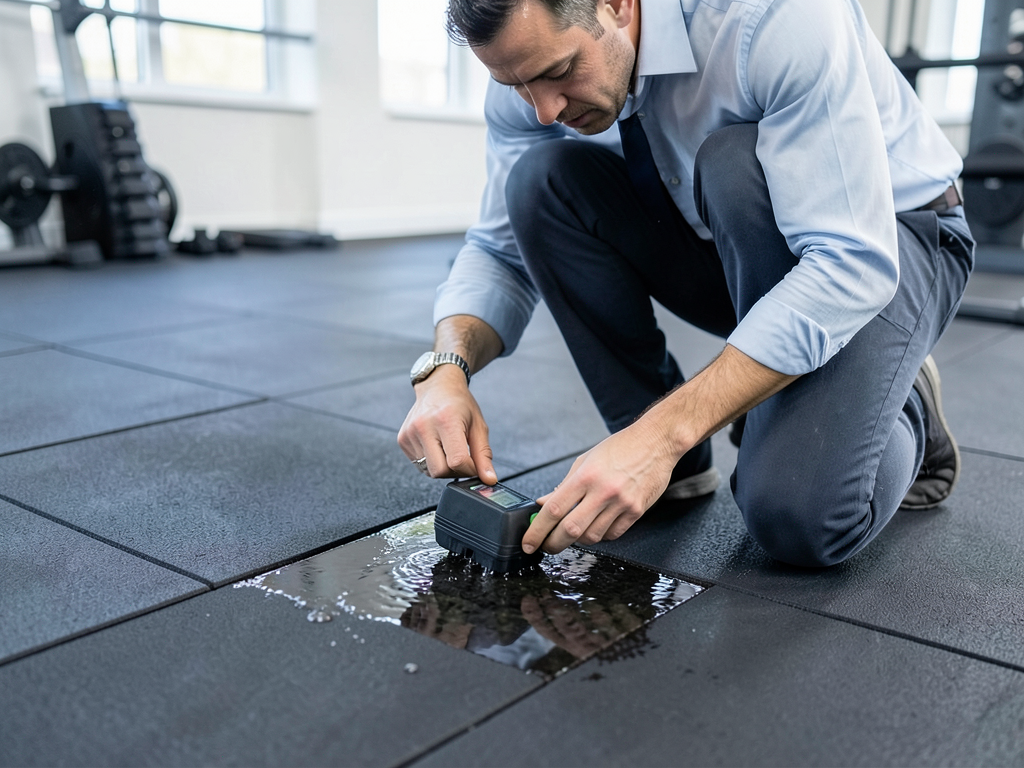
Saving rubber gym flooring and subflooring after a basement flood in Southwind When rubber gym flooring floods in Southwind basements, the water doesn't just sit on top. It seeps underneath the mats and into the…
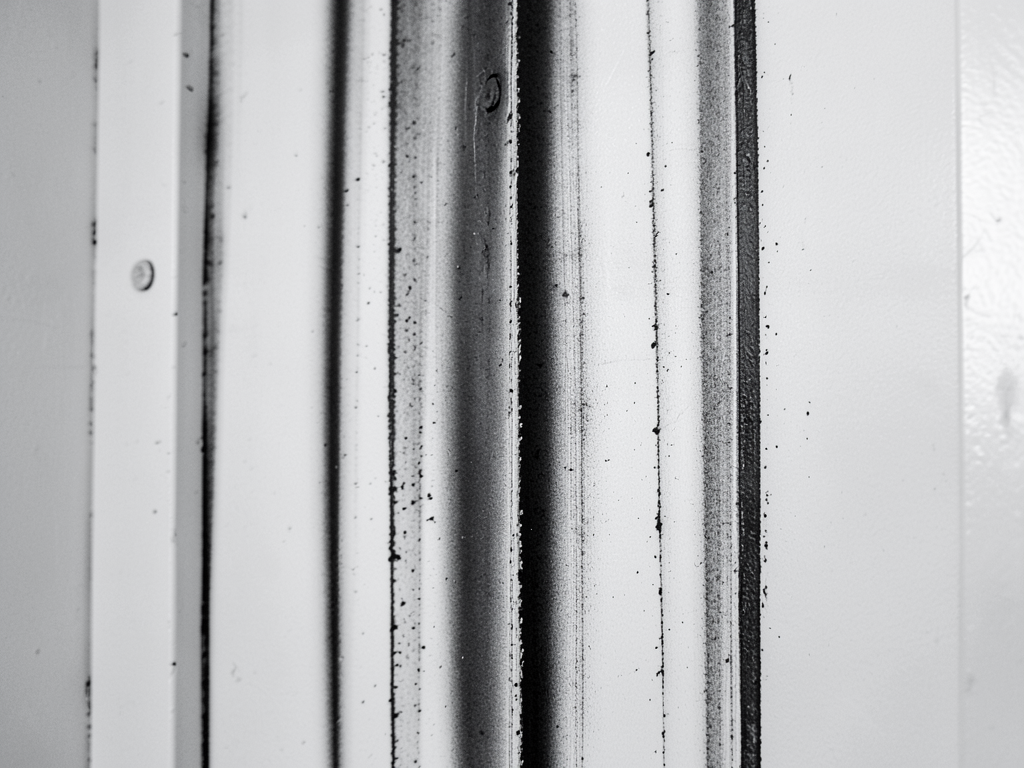
Why black streaks on your walls could mean you have a hidden moisture problem Black…
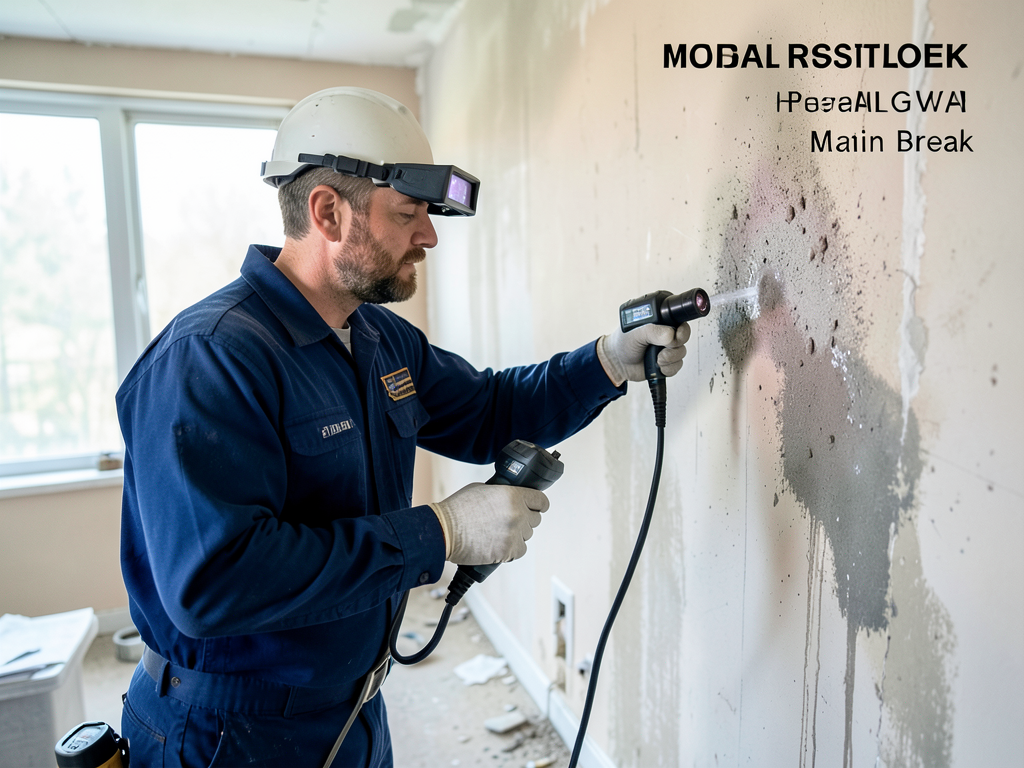
What to do if an MLGW water main break floods your North Memphis property When…
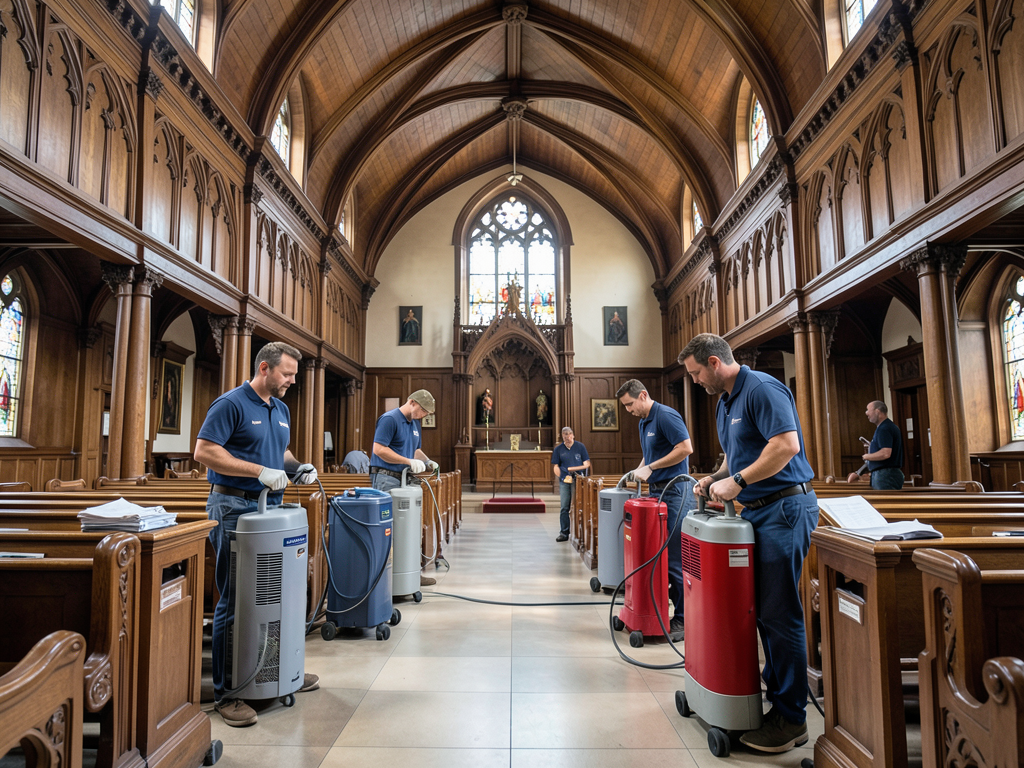
Handling Water Damage and Mold in Historic Memphis Churches and Community Halls When water breaches…
Every minute water sits in your home causes more damage. Victory Water Damage Restoration Memphis dispatches crews immediately 24 hours a day. Call (901) 640-3133 now for emergency water removal and structural drying that stops damage and protects your Memphis home.